Top Causes of Cellulite and How to Treat It
Updated: Jan 21
Cellulite is a common concern for many individuals, affecting nearly 80-90% of women at some point in their lives. Despite its prevalence, cellulite can often lead to feelings of self-consciousness and frustration. Understanding the causes of cellulite and exploring effective treatment options can empower individuals to feel more confident in their skin. This blog post delves into the top causes of cellulite and offers practical solutions for treatment.

What is Cellulite?
Cellulite is the term used to describe the dimpled appearance of the skin, often found on the thighs, buttocks, and abdomen. It occurs when fat deposits push through the connective tissue beneath the skin, creating a bumpy texture. While cellulite is not harmful, it can be a cosmetic concern for many.
Understanding the Causes of Cellulite
Genetic Factors
Genetics play a significant role in the development of cellulite. If your family members have experienced cellulite, you may be more likely to develop it as well. Genetic predisposition can influence factors such as skin structure, fat distribution, and circulation, all of which contribute to the appearance of cellulite.
Hormonal Changes
Hormones significantly impact the development of cellulite. Fluctuations in estrogen, insulin, and other hormones can affect fat storage and circulation. For instance, during puberty, pregnancy, or menopause, hormonal changes can lead to an increase in fat deposits and a decrease in skin elasticity, making cellulite more noticeable.
Lifestyle Choices
Certain lifestyle choices can exacerbate the appearance of cellulite. Factors such as:
Diet: A diet high in processed foods, sugars, and unhealthy fats can contribute to weight gain and the formation of cellulite. Conversely, a balanced diet rich in fruits, vegetables, and lean proteins can help maintain a healthy weight and improve skin health.
Physical Activity: Lack of exercise can lead to weight gain and decreased muscle tone, both of which can make cellulite more pronounced. Regular physical activity helps improve circulation and muscle tone, reducing the appearance of cellulite.
Smoking: Smoking can impair blood flow and reduce collagen production, leading to decreased skin elasticity. This can make cellulite more visible.
Age
As we age, our skin naturally loses elasticity and becomes thinner. This process can make cellulite more noticeable, especially in older adults. Additionally, the natural decline in collagen production can contribute to the development of cellulite.
Body Composition
Individuals with a higher percentage of body fat are more likely to develop cellulite. However, it is important to note that even those with a healthy weight can experience cellulite. The distribution of fat and muscle in the body can also influence the appearance of cellulite.
Effective Treatments for Cellulite
While there is no one-size-fits-all solution for cellulite, several treatment options can help reduce its appearance. Here are some effective methods:
Topical Treatments
Many creams and lotions claim to reduce cellulite, often containing ingredients like caffeine, retinol, or peptides. While these products may provide temporary improvements in skin texture, they are unlikely to eliminate cellulite entirely.
Massage and Spa Treatments
Massage therapy can improve circulation and lymphatic drainage, potentially reducing the appearance of cellulite. Spa treatments such as endermologie, which involves mechanical massage, can also help smooth the skin's surface. While these treatments may provide temporary results, they can be a relaxing addition to your self-care routine.
Subcision
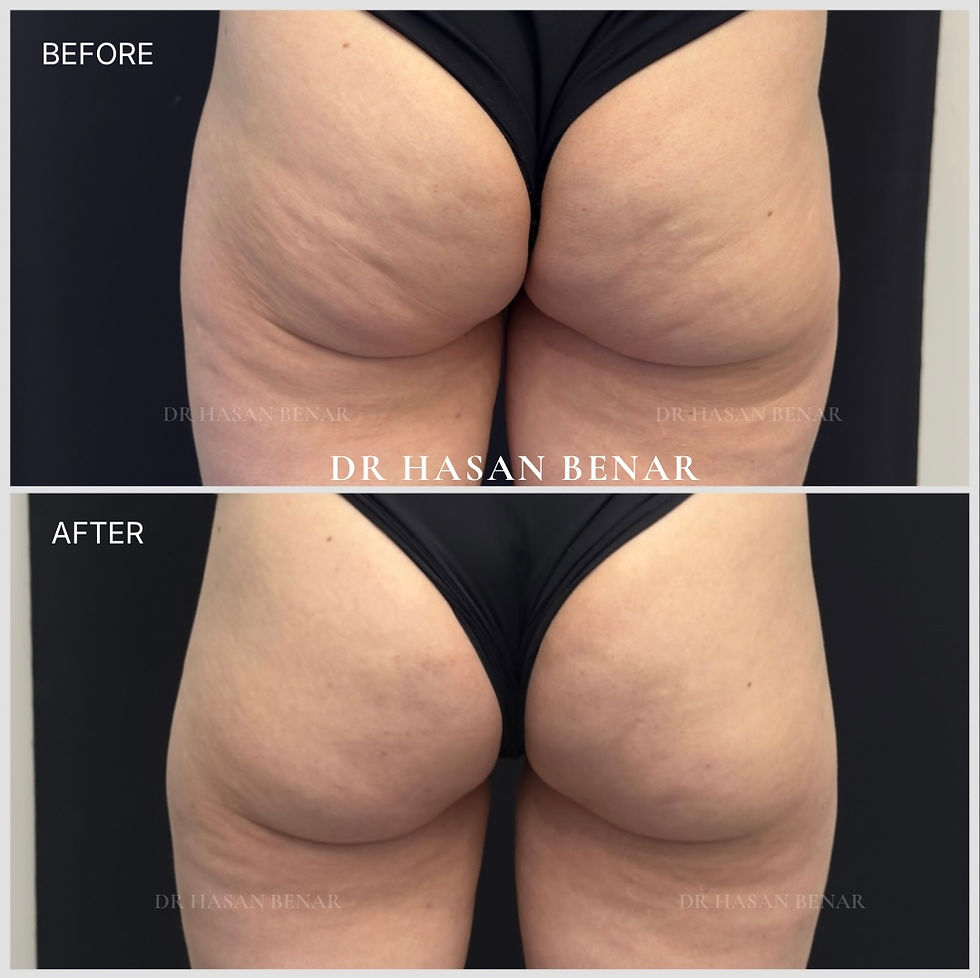
For those seeking more dramatic results, this is the best cellulite treatment.
Lifestyle Changes
Incorporating healthy lifestyle changes can significantly impact the appearance of cellulite. Here are some tips:
Maintain a Balanced Diet: Focus on whole foods, including fruits, vegetables, lean proteins, and healthy fats. Staying hydrated is also crucial for skin health.
Exercise Regularly: Aim for a mix of cardiovascular and strength training exercises. Activities like running, cycling, and weightlifting can help improve muscle tone and reduce body fat.
Avoid Smoking: Quitting smoking can improve circulation and skin health, reducing the appearance of cellulite.
Manage Stress: High-stress levels can lead to hormonal imbalances that may contribute to cellulite. Practice stress-reducing techniques such as yoga, meditation, or deep breathing exercises.


Comments